
Structural Drying & Dehumidification in Pensacola, FL
Taking the water out is only half the job. Moisture stays inside drywall, insulation, subfloors, and framing long after the surface looks dry. Pensacola Restoration Pro helps homeowners, renters, and businesses in Pensacola, Florida dry water-affected buildings in a controlled way, with moisture readings to track the progress.
We are available 24/7 for emergency calls, and estimates are free. Tell us what happened. We will talk through whether drying may be needed at your property.
- 24/7 Emergency Calls
- Free Estimates
- Licensed and Insured
What Structural Drying and Dehumidification Mean
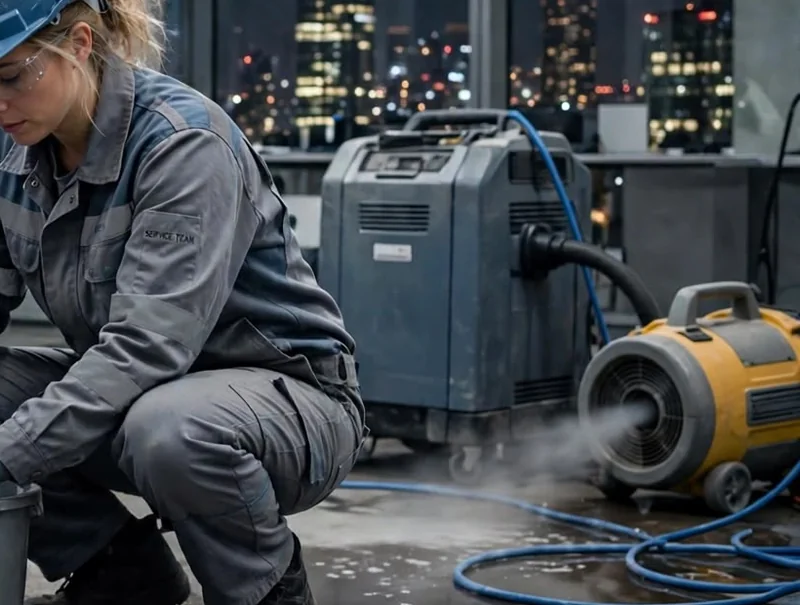
Structural drying removes moisture from the building itself. Dehumidification removes moisture from the air so the building can keep releasing it. The two work together, which is why they share one service.
Why a Dry-Looking Surface Can Still Be Wet
Water moves into porous materials. Drywall, wood framing, insulation, subfloors, and plaster absorb it and release it slowly. A wall can feel dry to the touch while its inside stays damp. Without proper drying, that hidden moisture can warp floors, loosen paint, cause odors, and support mold growth.
How This Differs From Water Extraction
Water extraction removes liquid water you can see. Structural drying deals with the moisture left behind in materials. Most water damage jobs need both steps. See our Water Extraction & Removal page for the first one.
Signs You May Need Structural Drying
Moisture problems are not always obvious. The signs below can mean materials are still holding water.
Damp Walls, Floors, and Ceilings After Water Is Removed
Look for these signs:
- Cool, clammy-feeling walls or floors
- Paint that bubbles, peels, or stains
- Swollen baseboards or door frames
- Warped, cupped, or buckled flooring
- Soft drywall
- A musty smell that does not go away
Humid Air and Condensation Inside the Building
Windows that fog, a stuffy feeling indoors, and condensation on cold surfaces can point to too much moisture in the air. Pensacola's warm, humid climate can make this worse after a leak or storm, because wet materials release moisture into air that is already damp.
A Past Leak or Storm You Did Not Fully Dry
A roof leak, a burst pipe, or a storm may have been cleaned up on the surface only. If a past water event left damp spots or a smell that keeps returning, the materials may never have dried completely.
How Our Structural Drying Process Works
Drying works best when it is planned, monitored, and adjusted. The exact setup depends on the materials involved, the size of the affected area, and the indoor conditions.
Measuring Moisture Before Drying Begins
We start by finding out where the moisture is. Moisture meters check walls, floors, and baseboards. Thermal imaging can help spot damp areas behind surfaces. We also record temperature and humidity in the room, because those conditions affect how fast materials dry. These readings become the starting point for the job.
Using Air Movers and Dehumidifiers Together
Air movers push dry air across wet surfaces so moisture can evaporate. Dehumidifiers then pull that moisture out of the air, so it does not settle back into the building. Industry guidance such as the ANSI/IICRC S500 standard describes this balance of airflow, humidity control, and monitoring. Equipment placement is adjusted to the layout of each space.
Drying Floors, Walls, and Hidden Cavities
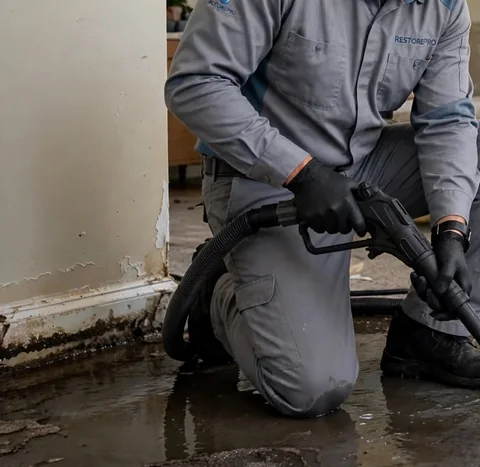
Different areas need different methods. Hard floors and subfloors may need targeted airflow. Wall cavities can hold water behind drywall and baseboards, so a drying plan may include small openings to let air reach the wet space. We explain what we recommend and why before work like that begins.
Monitoring Progress Until Materials Are Dry
Drying is not done on a schedule alone. We check moisture readings over several visits and compare them with the readings from unaffected areas of your building. Equipment is moved or removed as materials reach normal levels. Drying can take several days, depending on the materials and the conditions, so we do not promise a fixed completion date.
Why Proper Drying Matters in Pensacola's Climate
Water damage here has a local twist. Humidity, storms, and older construction all affect how a building dries.
Humidity, Mold, and the 24 to 48 Hour Window
The U.S. Environmental Protection Agency advises drying wet materials within 24 to 48 hours to help prevent mold growth. In humid air, that window is hard to meet without equipment. If mold has already appeared, see our Mold Remediation page. Drying addresses moisture, but it does not remove mold that is already growing.
Older Homes, Plaster, and Hardwood Floors
Many homes in North Hill, East Hill, and Seville Square are decades old. Plaster walls, original hardwood floors, and raised foundations hold water in ways newer drywall homes do not. Careful monitoring matters in these homes, because forcing dry too fast can crack wood and plaster.
Storm Season and Repeated Wet Weather
Hurricane season and heavy summer rain can bring repeated moisture into a building. If a roof or window let water in once, it may do so again. See Roof Leak Water Damage and Flood & Storm Damage Cleanup for those situations.
Structural Drying Near Me in Pensacola, FL
If you need drying help near you, our office is at 238 W Intendencia St, Pensacola, FL 32502. We serve properties across Pensacola, including ZIP codes 32501, 32502, 32503, 32504, and 32505.
When you call, tell us your address or neighborhood, what caused the water damage, and how long ago it happened. We will confirm whether we can help at your location. If the water is still standing, start with Emergency Water Damage Restoration.
Residential and Commercial Drying
For Homes and Apartments
Tell us if anyone lives in the affected rooms. Dehumidifiers and air movers make noise and use power, so we will explain the setup and what to expect while they run. Keep doors and windows closed unless we advise otherwise.
For Businesses and Property Managers
Drying a store, office, or rental building often means working around tenants and opening hours. See Commercial Water Damage Restoration for how we approach business properties.
Related Work That May Need Another Professional
Drying restores moisture levels. After drying, we can also handle repairs and rebuilding, such as drywall, insulation, and flooring. We do not fix the cause of the leak. A pipe leak may need a licensed plumber. A roof leak may need a roofer. Wet electrical equipment should be checked by a qualified electrician. Mold testing is a separate service. We will tell you when another professional is needed so the cause is fixed and the moisture does not return.
Contact Pensacola Restoration Pro About Drying
If your property was wet and still feels damp, a quick call can tell you whether drying is needed.
Reach Us Any Hour
What to Tell Us When You Call
Share your address or neighborhood, what caused the water, when it happened, and which rooms are affected. Mention if you notice a musty smell or visible mold. Have general questions first? Our FAQ page answers many of them.