
Flood & Storm Damage Cleanup in Pensacola, FL
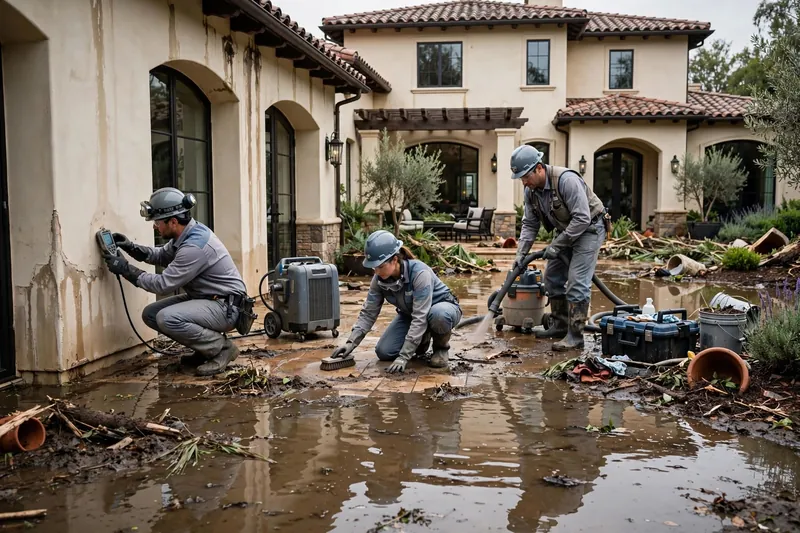
Floodwater does not just wet a building. It brings in mud, debris, and contaminants, and it soaks floors, walls, and belongings quickly. Pensacola Restoration Pro helps homeowners, renters, and businesses in Pensacola, Florida with cleanup and drying after flooding and storm-related water damage.
We are available 24/7 for emergency calls, and estimates are free. Tell us what happened. We will talk through the next steps for your property.
- 24/7 Emergency Calls
- Free Estimates
- Licensed and Insured
Flooding and Storms in Pensacola
Pensacola sits on the Gulf Coast between Pensacola Bay and Escambia Bay, with low ground and many waterways. That makes flooding a real local risk. Storms can bring water from the sky, the street, and the shoreline.
Hurricanes, Tropical Storms, and Storm Surge
Hurricane Ivan in 2004 and Hurricane Sally in 2020 both brought storm surge, heavy rain, and flooding to the Pensacola area. Even storms that do not make a direct hit can push water inland and overload drains.
Heavy Rain and Flash Flooding
The 2014 Pensacola flooding showed how fast a single heavy rain event can overwhelm streets and drainage. Water collects in low areas, enters garages and ground-floor rooms, and can rise quickly.
Waterfront and Low-Lying Properties
Properties near Pensacola Bay, Bayou Texar, and other waterways can face surge and rising water. Low spots in the city can flood even when you are not near the water. Check your flood zone and keep flood insurance in mind.
Signs of Flood and Storm Damage
Flood damage is often obvious, but not always complete. Look past the visible water.
What You May See Right Away
- Standing water inside rooms, garages, or crawl spaces
- Mud, silt, or debris on floors
- Wet carpet, padding, and flooring
- Water lines on walls
- Swollen doors, baseboards, and cabinets
What May Show Up Later
- A musty smell that does not go away
- Warped floors or loose tile
- Peeling paint and stained drywall
- Rust on metal fixtures
- Damp insulation and wall cavities
Moisture hides in walls, under floors, and in insulation long after the water level drops.
Why Floodwater Is a Special Concern
Floodwater is not like water from a clean pipe. It comes from outside and carries what it picked up along the way.
Contamination and Water Categories
Industry guidance such as the ANSI/IICRC S500 standard groups water into three categories. Floodwater is generally treated as Category 3, the most contaminated type, because it can contain sewage, bacteria, chemicals, and debris. It needs protective gear and careful cleanup.
Why Some Belongings Cannot Be Saved
Porous items that sat in floodwater, such as carpet, padding, insulation, upholstered furniture, and mattresses, often cannot be cleaned well enough to keep. Hard, nonporous items can often be cleaned and disinfected. Food and medicine that touched floodwater should be thrown away.
What to Do During and After a Flood
Safety comes first. These steps follow standard guidance for storms and floods.
Stay Safe
Do not walk or drive through floodwater. It can hide debris, open drains, and downed power lines. Stay out of flooded buildings until local officials say it is safe. If water is near electrical outlets, panels, or wiring, stay away and call 911 for any immediate danger. Never run a generator indoors or in a garage, because it can cause carbon monoxide poisoning.
Protect Yourself During Cleanup
Wear waterproof boots, gloves, eye protection, and a mask when you must enter. Wash your hands often and keep children and pets away. Avoid contact with floodwater, especially if you have open cuts.
Document the Damage
Take photos and video of the water, the damage, and your belongings before moving or discarding anything. Keep a list of damaged items and copies of receipts. Documentation does not guarantee coverage.
Contact Your Insurer and Local Resources
Standard homeowners policies typically do not cover flood damage. Flood coverage is usually separate, for example through the National Flood Insurance Program (NFIP) or a private flood policy. Call your insurer promptly. After a declared disaster, FEMA and local emergency management may offer help. Check official sources for current programs.
How We Handle Flood and Storm Damage Cleanup
The work follows a clear order. The scope depends on the depth and duration of the flooding, the type of water, and the materials involved.
Assessing the Damage and Water Type
We find how far the water reached, what it carried, and what it soaked. Moisture meters help find water in walls, floors, and insulation. Because floodwater is treated as contaminated, we plan the cleanup with that in mind.
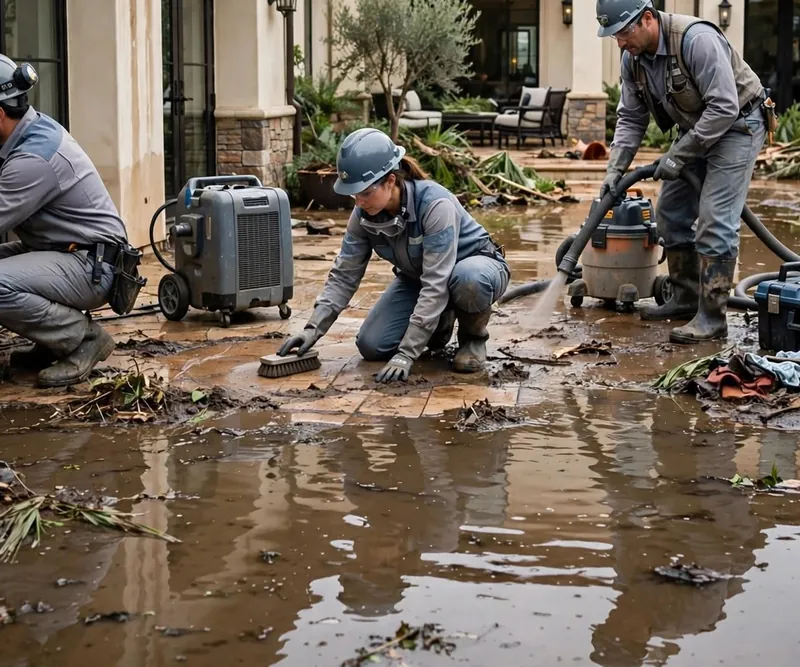
Removing Water, Mud, and Debris
Standing water is removed first, followed by mud and debris. See Water Extraction & Removal. If sewage is involved, see Sewage Backup Cleanup.
Removing Contaminated Materials and Cleaning Surfaces
Porous materials that cannot be cleaned are often removed and disposed of properly. Hard surfaces are cleaned and treated with disinfectants suited to the material. We explain what we recommend and why before we begin.
Drying and Preventing Mold
Air movers and dehumidifiers dry the building, and moisture readings track progress. See Structural Drying & Dehumidification. The U.S. Environmental Protection Agency advises drying wet materials within 24 to 48 hours to help prevent mold growth. In humid Pensacola weather, that is hard to do without equipment. If mold has already appeared, see Mold Remediation. We cannot promise a fixed timeline, because every loss is different.
Flood Damage in Different Parts of Your Property
Where the water went decides what needs attention.
Floors, Walls, and Insulation
Water wicks up walls and gets into insulation. Flood-affected drywall and insulation often need to be removed. Concrete and tile can usually be cleaned and dried.
Garages, Crawl Spaces, and Lower Levels
Low spaces fill first and dry slowest. See Basement Water Damage for water in crawl spaces, garages, and below-grade rooms.
HVAC, Electrical Systems, and Appliances
Flooded heating and cooling units, ductwork, electrical panels, and appliances should be inspected by a qualified professional before use. Do not turn them on yourself.
Furniture, Electronics, and Personal Items
Hard furniture may be cleaned. Upholstered pieces often are not salvageable. Electronics that got wet should not be plugged in. Photograph everything for your records.
Flood & Storm Damage Cleanup Near Me in Pensacola, FL
If you need flood cleanup near you, our office is at 238 W Intendencia St, Pensacola, FL 32502. We serve properties across Pensacola, including ZIP codes 32501, 32502, 32503, 32504, and 32505.
When you call, tell us your address or neighborhood, how deep the water got, whether it is still there, and what it affected. After a major storm, many people need help at once, so call early. We will confirm whether we can help at your location.
Residential and Commercial Flood Cleanup
For Homes and Rentals
Flooding can force residents out of their homes. If you rent, tell your landlord or property manager right away and keep copies of your photos and messages.
For Businesses and Property Managers
Flooding can close a business and damage stock, equipment, and records. Contact us early so the affected areas can be assessed. See Commercial Water Damage Restoration.
Related Work That May Need Another Professional
Cleanup deals with the water, mud, and damaged materials. After drying, we can also handle repairs and rebuilding, such as drywall, insulation, and flooring. We do not repair the building. Roof or window damage from a storm may need a roofer or contractor, flooded electrical and HVAC systems need a licensed professional, and structural concerns need a qualified engineer or building official. Mold testing is a separate service. We will tell you when another professional is needed so the cause is fixed and the damage does not return.
Contact Pensacola Restoration Pro About Flood Damage
If your property has flooded, stay safe first and then call us. The sooner drying begins, the more you can usually save.
Reach Us Any Hour
What to Tell Us When You Call
Share your address or neighborhood, how deep the water was, whether it is still there, what rooms and belongings are affected, and whether sewage may be involved. Have general questions first? Our FAQ page answers many of them.