
Roof Leak Water Damage Cleanup in Pensacola, FL
A roof leak rarely stays on the roof. Rain that gets in soaks attic insulation, stains and weakens ceilings, runs down walls, and leaves moisture behind. Pensacola Restoration Pro helps homeowners, renters, and businesses in Pensacola, Florida with the water damage inside the building after a roof leak.
We are available 24/7 for emergency calls, and estimates are free. Tell us what happened. We will talk through the next steps for your property.
- 24/7 Emergency Calls
- Free Estimates
- Licensed and Insured
Why Roofs Leak in Pensacola
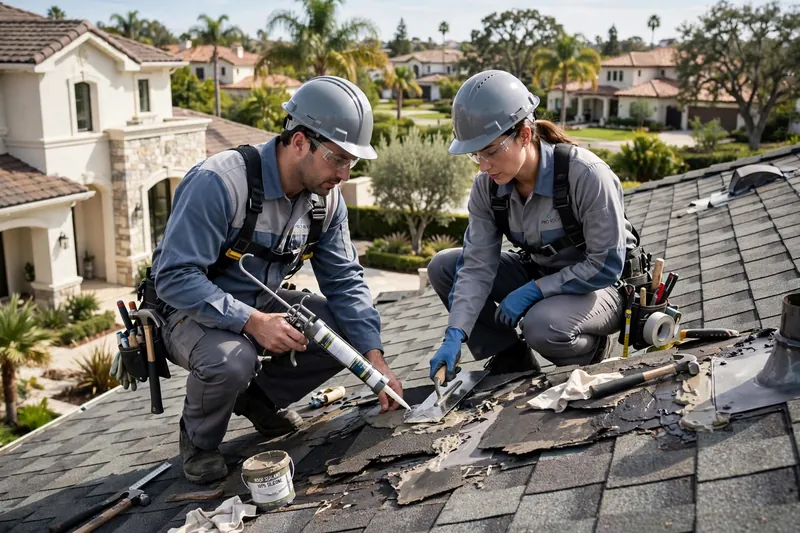
Pensacola's weather is hard on roofs. Strong wind, heavy rain, and hot, humid summers wear materials down over time. A roof can fail suddenly in a storm or slowly over several seasons.
Storm Damage, Wind, and Hurricane Season
Tropical storms and hurricanes can lift or tear off shingles, bend metal panels, loosen flashing, and drive rain sideways into gaps. Falling branches can puncture a roof. Even a storm that seems minor can open a small path for water.
Aging Materials, Flashing, and Sealants
Shingles dry out and crack. Sealant around vents, chimneys, and skylights breaks down. Flashing, the metal that seals roof joints, can rust or pull loose. These weak spots often leak first, and the leak may show up far from the source.
Clogged Gutters and Heavy Summer Rain
Clogged gutters and poor drainage send water back under the roof edge. Summer downpours add to it, especially on older roofs with worn or low-slope areas where water collects.
Signs of Roof Leak Damage Inside Your Building
Roof leaks often show up inside before anyone checks the roof. Look for these signs.
Ceiling and Wall Signs
- Brown or yellow stains on the ceiling
- Sagging, bubbling, or peeling ceiling paint
- Drips or water running down walls
- Water around light fixtures or vents
- Cracks or dark patches that grow after rain
Attic and Hidden Signs
- Wet or flattened attic insulation
- Damp or dark wood framing
- A musty smell in upper rooms
- Daylight visible through the roof deck
- Increased humidity upstairs
Hidden signs matter because attics are warm and poorly ventilated. Moisture there can linger and spread.
What to Do When Your Roof Leaks
Safety comes first. Then limit the water and protect your property.
Stay Safe Inside and Out
Stay out of rooms with a sagging or bulging ceiling, because the ceiling can fall. If water is near light fixtures, outlets, or wiring, do not use them and turn off power to that area at the breaker panel, only if you can reach it without standing in water. Do not climb onto a wet or damaged roof. For any immediate danger, call 911.
Contain the Water and Protect Belongings
Move furniture and electronics out of the way if it is safe. Place buckets or containers under drips. Cover large items with plastic. These steps reduce damage while you arrange help.
Cover the Roof Temporarily and Call a Roofer
A roofer can cover the opening to keep more rain out, then repair the roof. Restoration cannot stop a roof leak. Until the roof is sealed, the building can get wet again. Call a roofer as soon as it is safe, and ask whether a temporary cover is possible.
Document the Damage and Contact Your Insurer
Take photos and video of the ceiling, the attic if it is safe to reach, and any damaged belongings. Keep copies for your insurance claim. Documentation does not guarantee coverage. Storm and wind claims may have their own rules and deductibles, so report the loss promptly and check your policy.
How We Handle Roof Leak Water Damage
The work focuses on the inside of the building. The scope depends on how much water came in, how long it was there, and what it soaked.
Finding Where the Water Traveled
Water from a roof leak often moves along rafters and across ceilings before it drips. We use moisture meters to find water in ceilings, walls, and insulation, including areas that look dry. This helps map the true size of the problem.
Removing Wet Insulation, Ceiling Material, and Standing Water
Wet attic insulation can hold water and weigh down a ceiling. Saturated ceiling drywall may need to be removed. Rain that passes through insulation and dust can pick up dirt, so we consider the water type. Industry guidance such as the ANSI/IICRC S500 standard guides these decisions. See Water Extraction & Removal if water has collected on floors.
Drying the Ceiling, Walls, and Attic
Air movers and dehumidifiers dry the affected materials, and moisture readings track progress. Attics and wall cavities are slower to dry, so monitoring matters. See Structural Drying & Dehumidification.
Reducing the Risk of Mold in Wet Attics
Warm, damp attics are a common place for mold to start. The U.S. Environmental Protection Agency advises drying wet materials within 24 to 48 hours to help prevent mold growth. If mold has already appeared, see Mold Remediation. We cannot promise a fixed timeline, because every loss is different.
Roof Leaks Compared With Flooding and Pipe Leaks
Where the water comes from changes the cleanup, and it changes which page applies to you.
When Rain Comes From Above, Not the Ground
A roof leak brings water down through the building. Flooding brings water in from the ground. If your property has water on the ground floor from outside, see Flood & Storm Damage Cleanup.
When the Leak Is Actually Plumbing
A ceiling stain can come from a pipe or water heater above, not from the roof. If the stain appears when it has not rained, see Burst Pipe Water Damage or Water Leak Detection.
Roof Leak Water Damage Near Me in Pensacola, FL
If you need roof leak cleanup near you, our office is at 238 W Intendencia St, Pensacola, FL 32502. We serve properties across Pensacola, including ZIP codes 32501, 32502, 32503, 32504, and 32505.
Older homes in neighborhoods such as North Hill, East Hill, and Seville Square often have plaster ceilings, older roofs, and attics with limited ventilation, which can make roof leak damage harder to spot. When you call, tell us your address or neighborhood, where the leak appears, and whether it is still raining. We will confirm whether we can help at your location.
Residential and Commercial Roof Leak Damage
For Homes and Rentals
A roof leak can damage ceilings, closets, bedrooms, and belongings. If you rent, tell your landlord or property manager right away and keep copies of your photos and messages.
For Businesses and Property Managers
Flat and low-slope commercial roofs can let water spread across a large area before it drips. Contact us early so the affected areas can be assessed. See Commercial Water Damage Restoration.
Related Work That May Need Another Professional
Restoration deals with the water and the damaged materials inside. After drying, we can also handle repairs and rebuilding, such as drywall, insulation, and flooring. We do not repair or replace the roof. A licensed roofer is needed for that. Wet electrical systems should be checked by a qualified electrician. Mold testing is a separate service. We will tell you when another professional is needed so the cause is fixed and the damage does not return.
Contact Pensacola Restoration Pro About Roof Leak Damage
If your roof has leaked, protect yourself, stop what water you can, and call us. The sooner drying begins, the more you can usually save.
Reach Us Any Hour
What to Tell Us When You Call
Share your address or neighborhood, where the leak appears, when it started, whether the roof is covered, and which rooms are affected. Mention if the attic is wet. Have general questions first? Our FAQ page answers many of them.