
Basement Water Damage in Pensacola, FL
Water in a basement is hard to ignore, and easy to underestimate. It collects in the lowest part of a building, soaks stored belongings, and leaves moisture in concrete, framing, and finishes. Pensacola Restoration Pro helps homeowners, renters, and businesses in Pensacola, Florida with water damage in basements and other low areas of the building.
We are available 24/7 for emergency calls, and estimates are free. Describe what you see. We will talk through the next steps for your property.
- 24/7 Emergency Calls
- Free Estimates
- Licensed and Insured
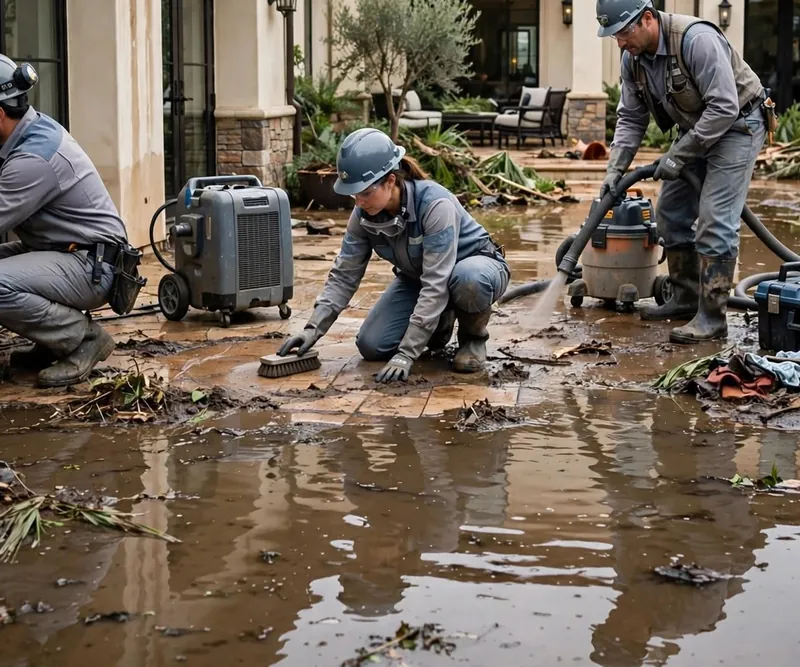
Basements and Low Areas in Pensacola Properties
Pensacola is low-lying and close to the water table, so full basements are less common here than in many other states. Water problems still show up in the lowest parts of local buildings. Knowing which space is affected helps decide how to handle it.
Basements and Below-Grade Rooms
Some Pensacola properties do have basements, cellars, or lower levels built partly below ground, including some commercial buildings. These spaces sit below the surrounding soil, so water pushes in through walls, floors, and openings during heavy rain.
Crawl Spaces, Garages, and Ground-Level Rooms
Many older homes sit on raised foundations with crawl spaces underneath. Garages, utility rooms, and ground-floor additions also sit low. Water can collect in these areas out of sight, which makes regular checks after storms worthwhile.
Common Causes of Basement and Low-Level Water Damage
Water gets into low spaces in a few familiar ways. Finding the cause matters, because removing the water does not stop it from returning.
Heavy Rain, Poor Drainage, and Rising Groundwater
Gulf Coast storms and summer downpours can overwhelm yards, gutters, and storm drains. Water that cannot drain away pushes against foundation walls and finds cracks, doorways, and window openings. Groundwater near the surface can also rise after long periods of rain and seep into low areas.
Plumbing Leaks, Water Heaters, and Appliance Failures
A burst pipe, a failed supply line, or a leaking water heater can send water to the lowest point in a building. Basements and garages often hold water heaters and washing machines. See Burst Pipe Water Damage and Water Heater Leak Cleanup.
Sump Pump Failure and Sewer or Drain Backups
A sump pump that stops working during a storm, or a backed-up floor drain, can flood a low area quickly. Water from a drain or sewer line may be contaminated. See Sewage Backup Cleanup if you suspect that.
Foundation Cracks and Storm Surge
Cracks in slabs or foundation walls let water through. Storm surge and coastal flooding can also push water into low areas near Pensacola Bay and other waterways. See Flood & Storm Damage Cleanup.
What to Do When Your Basement or Lower Level Floods
A flooded low area has more risks than a dry room, so safety comes first. Keep the steps below in order.
Stay Safe Around Electricity and Standing Water
Do not enter flooded areas if water is near outlets, a breaker panel, or appliances. If it is safe to reach, shut off power to the area at the main breaker, and do not stand in water to do it. Water in a low area can also hide debris and slip hazards. For any immediate danger, call 911.
Find and Stop the Source If You Can
Close the main water valve if a pipe or appliance is leaking. If the water came from rain or flooding, you cannot stop it, but you can avoid adding to it. Do not run washers or dishwashers that drain into a flooded area.
Do Not Rush to Pump Out Floodwater
When the ground outside is saturated, pumping out a flooded basement too quickly can put stress on the walls and floor. Water removal should be planned, especially after major flooding. Call us before you start if you are unsure.
Document the Damage and Protect Belongings
Take photos and video of the water, the damage, and stored items before moving anything. Lift valuables off the floor if it is safe. These records help with your insurance claim. Documentation does not guarantee coverage. Standard homeowners policies often treat flood damage separately from other water damage, so check your policy.
How We Handle Basement Water Damage
The work follows a clear order: make safe, remove water, dry, and check. The scope depends on how deep the water is, what type of water it is, and what materials are involved.
Assessing the Space and Type of Water
We find where the water entered and how far it spread. Industry guidance such as the ANSI/IICRC S500 standard groups water into three categories, from clean supply water to heavily contaminated water. Floodwater and sewage fall into the contaminated category and need careful handling and disposal of affected materials.
Removing Water and Debris From Low Areas
Standing water is removed with pumps and extraction tools, sized to the depth of the water. Mud, debris, and soaked materials are cleared so the space can be assessed. See Water Extraction & Removal for how removal works.
Drying Concrete, Framing, and Finishes
Concrete holds moisture for a long time. Wood framing, drywall, insulation, and carpet need attention too. Air movers and dehumidifiers dry the space, and moisture readings track progress. See Structural Drying & Dehumidification.
Checking for Moisture That Could Lead to Mold
Low, closed spaces stay damp and can develop musty odors and mold. The U.S. Environmental Protection Agency advises drying wet materials within 24 to 48 hours to help prevent mold growth. If mold has already appeared, see Mold Remediation.
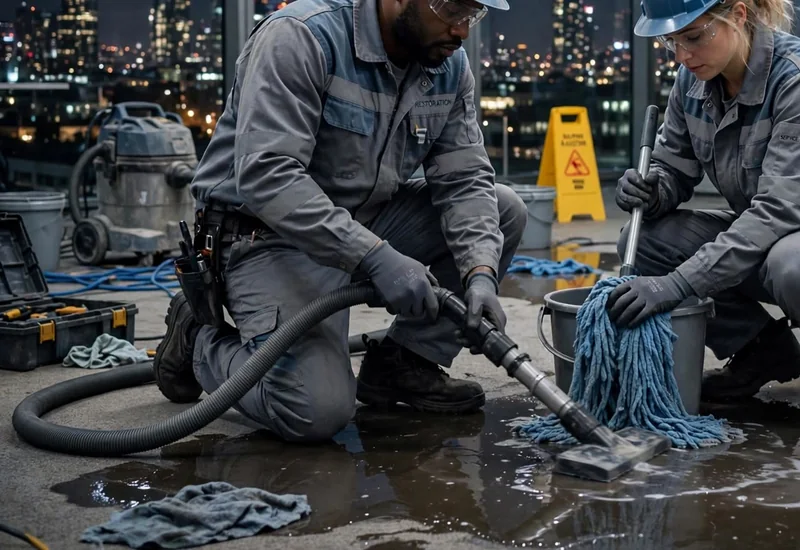
Materials and Belongings in Basements and Crawl Spaces
Low spaces often hold items that matter to you. What can be saved depends on the material and the water type.
Flooring, Drywall, Insulation, and Wood Framing
Carpet and padding often cannot be saved after contaminated water. Drywall and insulation that stay wet are often removed. Wood framing and concrete can usually be dried. We explain what we recommend so you can decide with clear information.
Stored Items, Furniture, and Equipment
Cardboard boxes, papers, and fabric absorb water quickly. Furniture and appliances may need a closer look. Move items that are not yet wet to a dry place, and photograph anything damaged for your records.
Basement Water Damage Near Me in Pensacola, FL
If you need help with a flooded basement or lower level near you, our office is at 238 W Intendencia St, Pensacola, FL 32502. We serve properties across Pensacola, including ZIP codes 32501, 32502, 32503, 32504, and 32505.
When you call, tell us your address or neighborhood, what kind of space is wet, how deep the water is, and whether it may be sewage or floodwater. We will confirm whether we can help at your location. If water just appeared, our Emergency Water Damage Restoration page lists the first steps to take.
Residential and Commercial Low-Level Water Damage
For Homes and Rentals
Water in a lower level can affect living space, storage, and utilities. If you rent, tell your landlord or property manager right away and keep copies of your photos and messages.
For Businesses and Property Managers
Lower levels in commercial buildings often hold storage, equipment, and mechanical systems. Contact us early so the affected areas can be assessed. See Commercial Water Damage Restoration.
Related Work That May Need Another Professional
Restoration deals with the water and the damaged materials. After drying, we can also handle repairs and rebuilding, such as drywall, insulation, and flooring. We do not repair the source of the water. A failed sump pump or leaking pipe may need a plumber. Drainage and grading problems may need a drainage or foundation contractor. A roof or gutter issue may need a roofer. Electrical systems that got wet should be checked by a qualified electrician. We will tell you when another professional is needed, so the cause is fixed and the problem does not return.
Contact Pensacola Restoration Pro About Basement Water Damage
If water is in a low area of your building, call us before the damage spreads further.
Reach Us Any Hour
What to Tell Us When You Call
Share your address or neighborhood, which space is wet, how deep the water is, where it came from, and whether it is still rising. Mention if it could be sewage or floodwater. Have general questions first? Our FAQ page answers many of them.